
Acceptance Does Not Mean Surrender
music for climate action and resilience
guided by voices from the climate science community
Composer notes
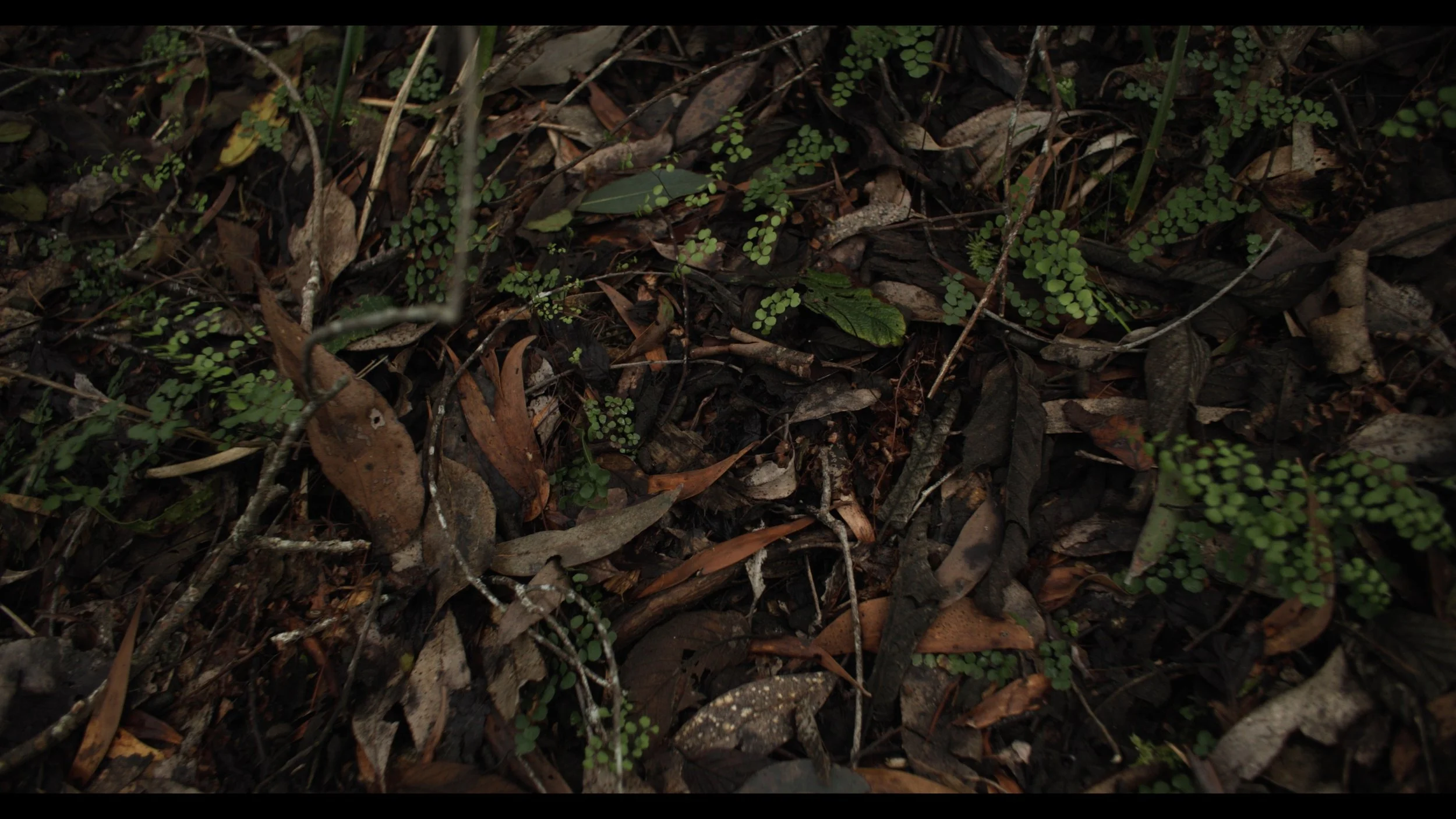
For many years I've wanted to create this piece, to inspire climate action. I deeply love our natural world. I had the privilege of growing up amongst the thick green forest of in the Dandenong Ranges and Yarra Valley, on Wurundjeri Country. Living, playing and learning surrounded by the canopies of mountain ash has had a profound effect on me.
These beautiful areas have been impacted by fire more than once in my lifetime. We evacuated from the 1997 fires, and on Black Saturday, friends and students of mine lost homes and relatives. It was shocking to realise that many people who lost their lives in 2009 had followed the bushfire safety directions that I’d learned as a child. This advice was now redundant, as our changing climate began to produce weather conditions we hadn’t foreseen.
So, it has always been a huge source of grief and frustration to see the slow response to climate change. Stuck with the same media talking points; the vested interests; the heads in the sand, the prioritisation of the status quo. Other (often important) geo-political and domestic issues continue to absorb our attention, taking climate change off the agenda time and again.
Like many of us, I have often turned away from news about our changing climate. Sometimes it is too overwhelming and upsetting to hear, when you know that not much is being done. It is easier to switch off.
But there are some people in our world who never turn away from climate change: the member of the climate science community. Despite being beholden to various political, institutional and media agendas, these wonderful humans have worked tirelessly for decades. They have researched and modelled our land, air, sea and living creatures; they have educated our leaders, industry and the public; they have found solutions and ways to adapt.
All of us, individually and collectively, must find the resilience and tools to be able to quietly persist at mitigating climate change. Without immediate action, we are living through the beginnings of climate collapse. With action, our world will still change, due to our past mistakes: but we have the best chance of protecting our future generations, especially those with less privilege and resources than us.
Climate scientists have often carried this knowledge within themselves, but been unable to communicate the urgency of the crisis to us. If we need to find the resilience to stop turning away, who better to ask than climate scientists themselves, who have found a way quietly persist with their work?
Acceptance Does Not Mean Surrender is inspired by conversations I had with eight climate scientists and analysts, most of whom contributed in some way to Australia’s National Climate Risk Assessment. Just by chance, this assessment was released to the public the day my piece was completed.
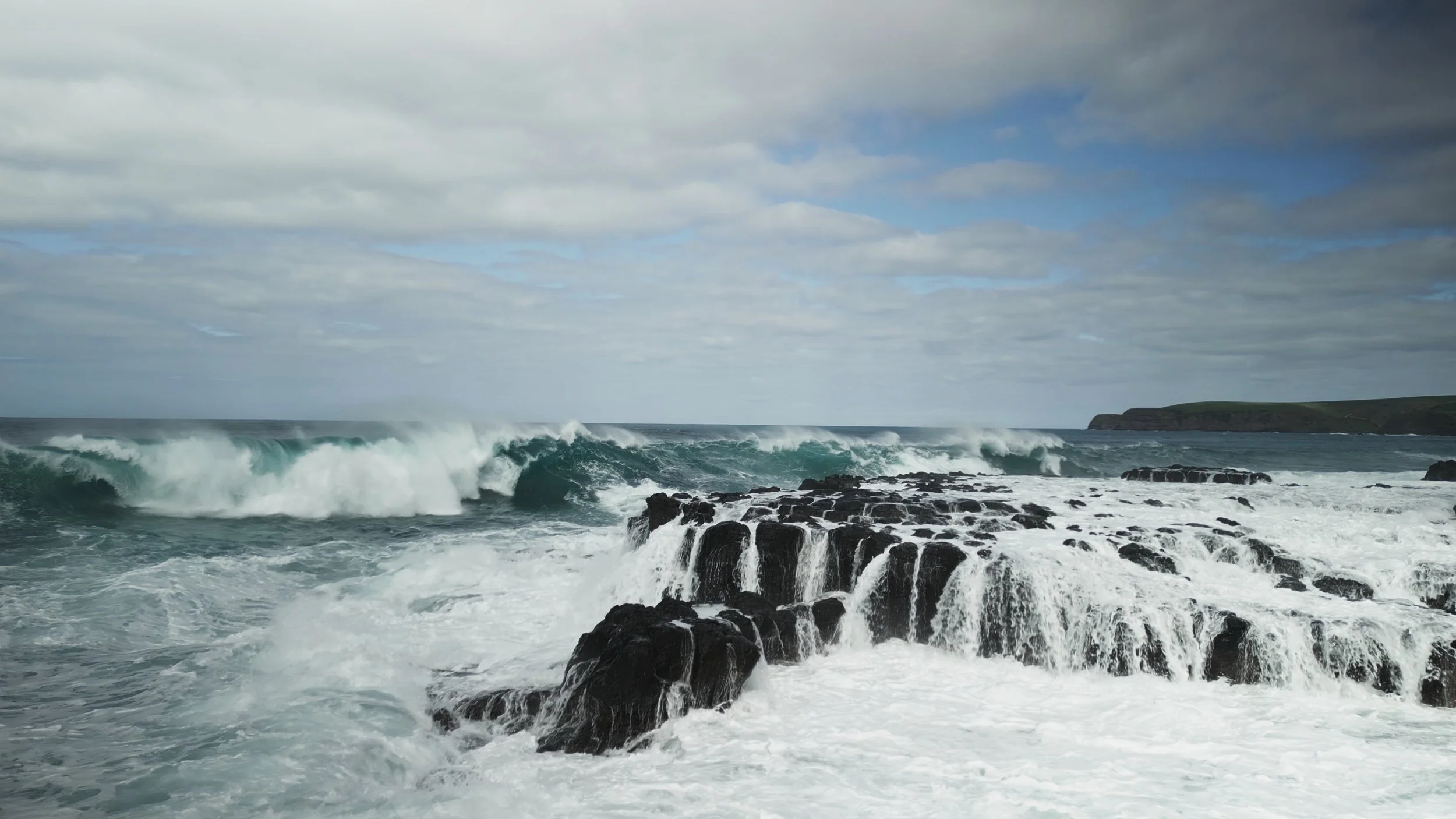
You’ll hear the voices of these scientists embedded through the work, as well as the sounds and film of some of the natural environments they hold dear. Each movement of the piece is based around a theme that emerged from our conversations: emotions, tools and personal perspectives that I have learned from enormously. I hope this piece will also inspire you to find ways to do what you can for climate action; to listen to the science; process some challenging emotions, and find beauty in broken places.
This work is designed so it could be re-performed in the future with new samples of voices and nature, making the music relevant to another time and place, as we live through our changing climate.
Gratitude - The Knowledge - Anger - Despair - Solastalgia - Amor Fati
- Acceptance Does Not Mean Surrender - Community - Radical Joy
Acknowledgements
Commissioned by Monash University for Monash Art Ensemble
Premiered by Monash Art Ensemble, 19 October 2025 for Melbourne Jazz Festival, directed by Paul Grabowsky
Composition, sound design and voice sampling Nat Bartsch
Cinematography, editing and photography Stefan Raabe
Field recordings Hadyn Buxton, Michael Kellett, Nat Bartsch
Scientist contributors Dr. Andrew Watkins, A.Prof Roger Dargaville, Dr. Joëlle Gergis, Dr. Ben Hague, Kate Bongiovanni, Francine Machin, Hannah Bourbon, Lacey Elsum
Performers Nat Bartsch (piano) Su Min Lee (harp), Rob Burke (alto sax), Paul Williamson (trumpet), Natasha Conrau & Meg Cohen (violins), Aaron Wyatt (viola), Charlotte Jacke (cello), Eugene Stone-Marques (guitar), Ben Hanlon (double bass), Kai Arai (drums), Daniel Bickham-Cullis, Lani Zimora, (ambient effects) Sofia Jorgovic (samples and video projections)
Inspiration
The title of the work, and movements 7 & 9, come from the book Radical Joy for Hard Times: Finding Meaning and Making Beauty in Earth's Broken Places by American writer Trebbe Johnson (North Atlantic Books, 2018). Movement 5, Solastalgia, is a term coined by Australian philosopher Glenn Albrecht.
This piece was created on the unceded lands of Wurundjeri Woi Wurrung and Boonwurrung peoples of the Kulin Nation. Thank you to Wurundjeri elder Aunty Julieanne Axford and Charley Woolmoore for their consultation and contributions to this work.
This piece incorporates the sounds and video of many First Nations lands. First Nations communities in remote and regional Australia will be one of the most severely impacted groups by climate change. We must do everything we can to help our First Peoples' stay connected to Country.